
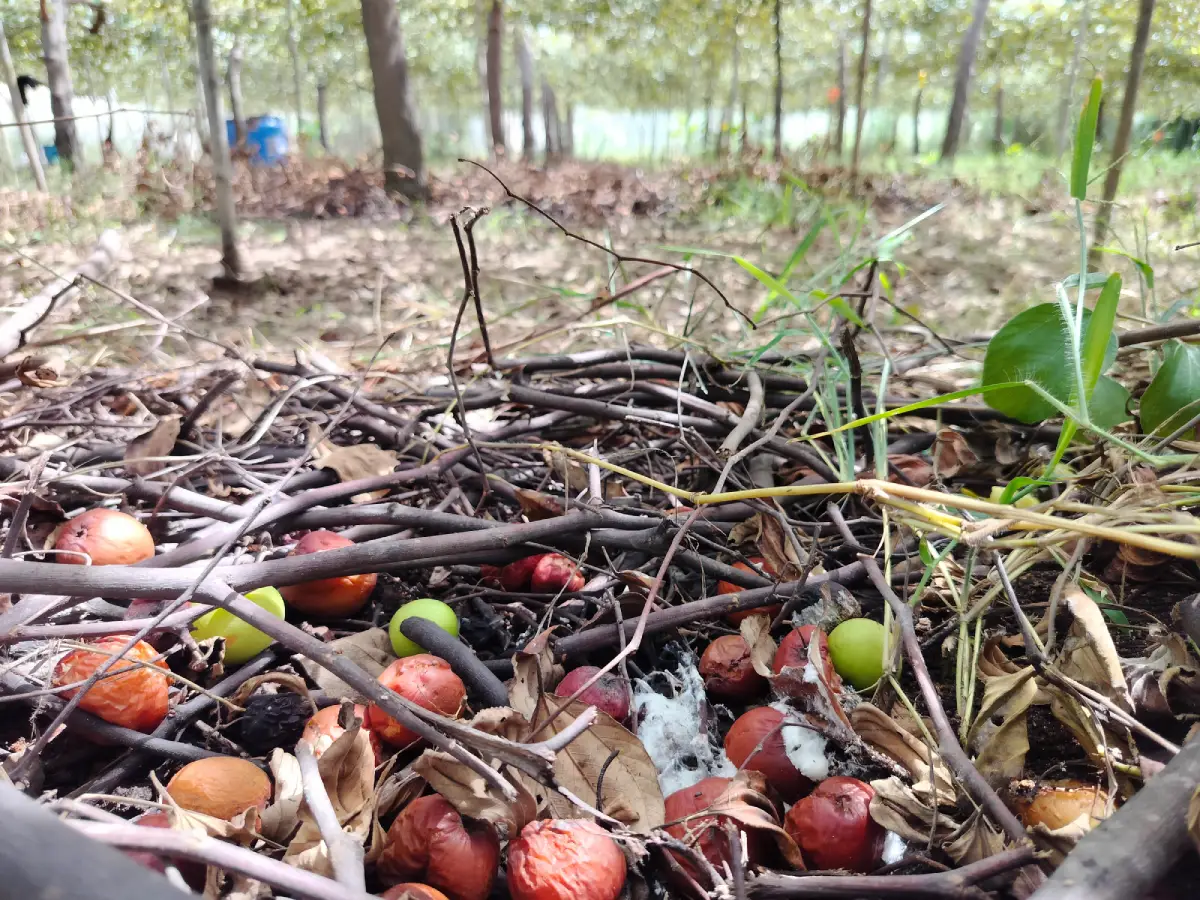
A healthy compost pile should smell like fresh earth or rich forest soil. If opening your compost bin leaves you holding your breath or worrying about unhappy neighbors, something in the decomposition process has gone off track.
Fortunately, a smelly compost pile is one of the easiest garden problems to diagnose and repair. As part of our complete compost troubleshooting guide, this article will break down the exact causes behind foul odors and show you step-by-step how to fix them fast.
1. Why Does Compost Smell? (Identifying the Odor)
Compost smells occur when anaerobic bacteria (bacteria that thrive without oxygen) take over the decomposition process. Instead of clean aerobic breakdown, anaerobic activity releases strong-smelling gases like ammonia, hydrogen sulfide (rotten egg odor), or rancid decay.
To fix the smell, you first need to identify its type:
| Type of Odor | Primary Cause | What It Means |
| Rotten Eggs / Sewage | Excess Moisture & Lack of Oxygen | The pile is too wet and compacted (anaerobic). |
| Sharp Ammonia Smell | High Nitrogen (“Greens”) Ratio | Too many kitchen scraps or grass clippings. |
| Rancid / Putrid Smell | Improper Materials Added | Meats, oils, dairy, or pet waste are rotting. |
2. Step-by-Step: How to Fix a Smelly Compost Pile
Step 1: Add Dry Carbon Materials (“Browns”)
Excess moisture is the #1 reason compost piles turn stinky. Wet materials compact together, squeezing out air pockets and causing organic waste to rot anaerobically.
The Fix:
Mix in plenty of dry, absorbent “brown” materials such as shredded cardboard, dry leaves, straw, or sawdust.
Aim for a balance of 3 parts Browns to 1 part Greens.
Cover any exposed food scraps with a thick top layer of carbon materials to trap odors immediately.
Step 2: Turn and Aerate the Pile
When organic matter sits undisturbed, oxygen levels drop in the center of the pile. Introducing fresh air kills odor-causing anaerobic microbes and restarts healthy aerobic decomposition.
The Fix:
Use a pitchfork or aerator tool to turn the contents from the outside in.
Fluff up compacted layers to restore airflow throughout the bin.
If severe moisture trapped in the bin attracts pests, keep an eye out for maggots in compost, which often appear alongside damp, rotting material.
Step 3: Remove Forbidden Materials
Not everything organic belongs in an open compost bin. Adding meat, bones, dairy products, oils, or pet waste introduces fats and proteins that attract flies and create foul, putrid odors as they break down.
The Fix:
Carefully inspect your bin and remove any offending meat or greasy items.
Stick strictly to plant-based kitchen scraps, eggshells, coffee grounds, and garden waste.
3. Prevent Smelly Compost in Small Spaces or Suburban Yards
Smell management is especially vital if you compost near neighbors or in tight urban spaces. High humidity or restricted airflow around closed bins can exacerbate odor problems quickly.
If you are working with limited outdoor space, using the right container makes all the difference. Choosing the best compost bin for a small yard—such as a sealed tumbler or a bin with built-in aeration channels—will help control moisture and prevent unpleasant smells from escaping into your living area.
4. Quick Prevention Checklist for a Odor-Free Compost
To keep your compost smelling clean and earthy year-round, follow this simple routine:
Layer as You Dump: Every time you throw in a caddy of kitchen scraps (Greens), cover it immediately with a handful of dry leaves or shredded paper (Browns).
Control Moisture: Your pile should feel like a wrung-out sponge — damp, but never dripping wet. Protect it with a lid or tarp during heavy rainfall.
Keep It Aerated: Turn your pile every 1–2 weeks to maintain oxygen levels in the core.
Final Thoughts
A stinky compost pile is simply a signal that your carbon-to-nitrogen or air-to-water balance needs a quick adjustment. By balancing your greens with plenty of dry browns and keeping oxygen flowing, your pile will quickly return to producing rich, fresh-smelling humus for your garden!


